

Key Takeaways
- Yes, high blood pressure causes dizziness, especially when it disrupts blood flow to the brain or changes suddenly.
- High blood pressure and dizziness may occur together due to medication effects, vessel stiffness, or posture-related blood pressure shifts.
- Symptoms are not always present, which is why hypertension is often called a “silent condition.”
- Readings such as 145/95 blood pressure or 138/88 blood pressure may increase the risk of dizziness if not well controlled.
- If dizziness feels sudden or severe, our emergency room in the Arboretum can quickly evaluate blood pressure-related symptoms.
What Is High Blood Pressure?
High blood pressure, also known as hypertension, occurs when the force of blood against artery walls remains consistently elevated. Over time, this strain damages blood vessels, reduces healthy circulation, and increases the risk of heart disease and stroke. Many people have no warning signs, even at dangerous levels. A large PubMed-indexed global analysis found that approximately 31% of adults worldwide have hypertension, and nearly half are unaware they have it.
What Are Signs of High Blood Pressure
- Morning or persistent headaches.
- Shortness of breath or chest discomfort.
- Blurred vision or visual disturbances.
- Fatigue, confusion, or difficulty concentrating.
- Nosebleeds in severe or uncontrolled cases.
Read More About the Causes & Treatments of: High Blood Pressure
Does High Blood Pressure Cause Dizziness?
Yes, high blood pressure can cause dizziness, although it is not always a direct or constant symptom. Dizziness may occur when elevated blood pressure interferes with steady blood flow to the brain or when pressure levels fluctuate too quickly. Some people experience lightheadedness, balance issues, or even wake up dizzy, particularly when blood pressure is poorly controlled.
Why High Blood Pressure Causes Dizziness
- Impaired cerebral circulation: Long-term hypertension can stiffen arteries, limiting consistent oxygen delivery to the brain.
- Rapid blood pressure changes: Sudden spikes or drops may trigger dizziness, particularly during position changes.
- Medication effects: Some antihypertensive drugs lower blood pressure too quickly, leading to lightheadedness.
- Autonomic regulation issues: The body may struggle to adjust blood pressure efficiently during movement or standing.
Causes of Dizziness in People with High Blood Pressure
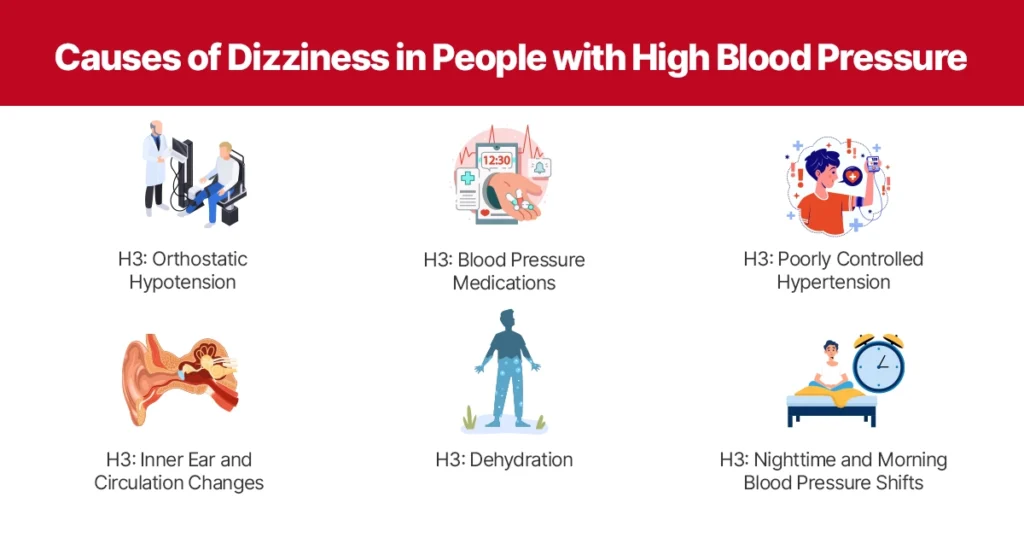
Dizziness in people with high blood pressure is often multifactorial rather than caused by a single issue. Circulatory changes, nervous system responses, and treatment effects may all contribute. Identifying the underlying cause is important, as dizziness can signal inadequate blood pressure control or developing complications. Addressing the cause helps reduce symptoms and lowers the risk of falls or cardiovascular events.
1. Orthostatic Hypotension
Orthostatic hypotension occurs when blood pressure drops suddenly upon standing. In people with hypertension, blood vessels may respond less efficiently to posture changes, causing dizziness when standing up. This is a common contributor to lightheadedness, particularly in older adults or those taking blood pressure medications.
2. Blood Pressure Medications
Certain blood pressure medications can lower readings more than intended, especially during dose changes. When blood pressure falls too quickly, blood flow to the brain may decrease, resulting in dizziness or unsteadiness. Monitoring symptoms after medication adjustments is important for safety.
3. Poorly Controlled Hypertension
Persistently elevated readings, such as 145/95 blood pressure, can damage blood vessels over time. Narrowed or stiff arteries reduce consistent blood flow to the brain, increasing the likelihood of dizziness during physical activity, stress, or sudden movement.
4. Inner Ear and Circulation Changes
High blood pressure can affect small blood vessels that supply the inner ear. When circulation to this area is compromised, balance regulation may be disrupted, leading to dizziness or vertigo-like sensations.
5. Dehydration
Dehydration lowers blood volume, which can worsen dizziness in people with hypertension. When combined with blood pressure-lowering medications, dehydration increases the risk of lightheadedness, especially after standing.
6. Nighttime and Morning Blood Pressure Shifts
Blood pressure naturally changes during sleep and upon waking. In some individuals, these fluctuations reduce blood flow to the brain, contributing to morning lightheadedness or feeling dizzy shortly after waking.
When to Seek Help
Dizziness associated with high blood pressure should not be ignored, especially if it is new, persistent, or worsening. It may indicate poor blood pressure control or a serious complication involving the heart or brain. Early evaluation helps prevent injuries and more severe outcomes. Seek medical care if you experience:
- Ongoing or worsening dizziness.
- Fainting or near-fainting episodes.
- Confusion, weakness, or vision changes.
- Chest pain or shortness of breath.
If these symptoms occur, contact the Austin Emergency Center for prompt evaluation.
Diagnosing High Blood Pressure
High blood pressure is diagnosed through repeated, accurate measurements taken while at rest. Clinicians may use office readings, home monitoring, or ambulatory blood pressure testing to confirm the diagnosis. Knowing your blood pressure category helps guide care and reduce symptoms such as dizziness.
- Normal Blood Pressure: Less than 120/80 mmHg
- Elevated Blood Pressure: 120–129/80 mmHg
- Stage 1 Hypertension: 130–139/80–89 mmHg
- Stage 2 Hypertension: 140 or higher / 90 or higher mmHg
Also Read: Blood Pressure Chart: What Your Reading Means
Managing Dizziness if You Have High Blood Pressure
Managing dizziness involves identifying triggers and maintaining stable blood pressure levels. Individualized care, regular monitoring, and supportive lifestyle habits can significantly reduce symptoms. Because causes vary, management should be tailored to each person’s needs.
Approaches Include
- Medication review: Adjusting drug type or dosage if dizziness occurs during treatment.
- Postural awareness: Standing up slowly to reduce dizziness when standing up.
- Hydration support: Maintaining adequate fluid intake to support circulation.
- Blood pressure tracking: Monitoring readings such as 126/82 blood pressure to identify symptom patterns.
- Lifestyle balance: Managing stress, sleep, and physical activity to promote steady blood pressure control.
Care at Austin Emergency Center
If you experience persistent dizziness or symptoms related to high blood pressure, the Austin Emergency Center provides prompt evaluation and expert emergency care. Our team can assess your blood pressure, helping answer the question: can high blood pressure cause dizziness, and guide proper management to reduce risks and prevent complications.
At Austin Emergency Center, our specialists offer personalized treatment for managing high blood pressure and associated dizziness. Timely assessment ensures proper monitoring, medication guidance, and strategies to maintain stable blood pressure, giving you peace of mind and fast relief from concerning symptoms.