
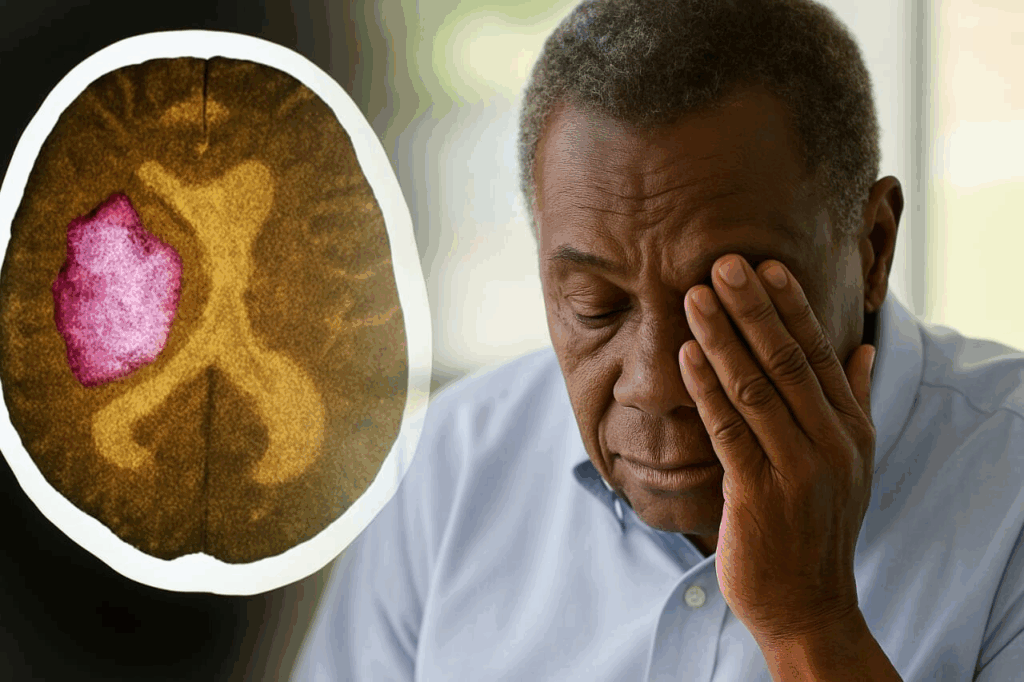
A mini stroke, also called a transient ischemic attack (TIA), involves the same underlying risk factors and physical processes that cause a stroke, but it resolves before permanent damage occurs. It happens when blood supply to part of the brain is temporarily reduced, leading to sudden symptoms such as weakness, numbness, vision changes, or slurred speech. Unlike a stroke, a TIA does not usually cause lasting brain injury, but it should never be ignored. Because it can be difficult to distinguish a TIA from a full stroke, seeking immediate emergency care is critical. Research shows that after a TIA, the risk of stroke within 3 months is about 20%, with nearly half of those strokes happening in the first 48 hours.
Recognizing TIA Symptoms Early
A transient ischemic attack (TIA) can happen suddenly and may only last a few minutes, making it easy to overlook. Early recognition is key to preventing a major stroke. Common TIA symptoms include:
- Sudden weakness or numbness in the face, arm, or leg, especially on one side of the body
- Difficulty speaking or understanding language
- Vision changes, such as blurred, double, or loss of vision in one or both eyes
- Sudden dizziness, loss of balance, or trouble walking
- Severe, sudden headache with no known cause
If you or someone else experiences any of these symptoms, call emergency services immediately, even if the symptoms disappear. Quick evaluation and treatment can dramatically reduce your risk of a full-blown stroke and improve long-term life expectancy.
TIA and Long-Term Stroke Risk
A mini stroke is a warning that your brain may be at risk in the future. A large 2021 study followed 14,059 people for nearly 70 years to examine stroke risk after a TIA. Among them, 435 experienced a TIA, and researchers compared them to a control group of 2,175 people who hadn’t had a TIA. The findings revealed that 29.5% of people who had a TIA went on to have a stroke, with the timing as follows:
- 21.5% within 7 days
- 30.8% within 30 days
- 39.2% within 90 days
- 48.5% after more than 1 year
Overall, people who experienced a TIA were 4.37 times more likely to have a stroke than those who didn’t, highlighting the importance of prompt evaluation, treatment, and ongoing monitoring to reduce long-term risks.
TIA and Risk of Stroke Death
Research shows that a TIA not only increases the risk of a future stroke but also impacts long-term survival. The table below highlights how the risk of death varies by age for people who have experienced a TIA.
| Age at First TIA (Years) | Increased Risk of Death Compared to People Without TIA |
| 39–60 | 3.04 times |
| 61–70 | 1.98 times |
| 71–76 | 1.79 times |
| 77+ | 1.52 times |
What Can Affect Your Life Expectancy After a Mini Stroke?
Several factors can influence life expectancy after a transient ischemic attack (TIA). Understanding these can help you take proactive steps to reduce your risk of a future stroke and protect your long-term health.
1. Urgent Assessment and Treatment
Getting prompt medical evaluation and treatment after a TIA can dramatically reduce your risk of a future stroke. A 2022 study found that starting treatment within the first 24 hours reduced the 90-day stroke risk by 80%, and long-term follow-up showed benefits lasting up to 10 years.
2. Age at First TIA
People who experience their first TIA between the ages of 39 and 60 have a higher long-term risk of death compared with older patients. Early recognition and preventive care are especially important in this age group.
3. Medications (Aspirin, Antiplatelets, and Anticoagulants)
Taking the right medication after a TIA can significantly lower the risk of future strokes:
- Aspirin or antiplatelet therapy: Reduces the chance of a stroke, particularly for people under 60.
- Dual antiplatelet therapy (aspirin + clopidogrel/Plavix): Often recommended for added protection in some patients.
- Anticoagulants (blood thinners like Eliquis or Xarelto): Especially for those with atrial fibrillation, these medications prevent dangerous blood clots from forming.
4. Body Weight (BMI)
While being overweight or obese increases stroke risk, some studies show that people with a higher BMI may survive longer after a TIA or stroke, a phenomenon called the “obesity paradox.” Conversely, being underweight is linked to a higher risk of death, particularly in older adults.
5. Revascularization Procedures
If a TIA is caused by a blockage in the carotid artery (carotid artery stenosis), procedures like carotid endarterectomy or carotid stenting can restore blood flow to the brain and lower future stroke risk.
Multiple Mini Strokes
Some people may experience more than one TIA. Dual TIAs occur twice, even within hours, while crescendo TIAs are multiple episodes in quick succession and carry a higher risk of a full stroke. If you notice recurring stroke-like symptoms, seek urgent medical evaluation, as repeated TIAs indicate unstable blood flow. Early detection and treatment can prevent serious complications, and adopting recommended lifestyle changes can significantly lower future stroke risk.
TIAs Can Signal Heart Health Issues
A transient ischemic attack (TIA) isn’t just a warning sign for your brain; it can also indicate underlying cardiovascular problems. Conditions such as atrial fibrillation, blocked arteries, or other heart issues can increase the likelihood of a TIA and future strokes. Managing your heart health is essential to prevent strokes and reduce the risk of repeat TIAs. This includes controlling blood pressure and cholesterol, monitoring heart rhythm, and treating conditions like atrial fibrillation as recommended by your physician. By addressing these factors, you not only protect your brain but also support overall cardiovascular health, improving long-term outcomes.
Take Control After a Mini Stroke
Worried about life expectancy after a mini stroke or experiencing sudden stroke-like symptoms? Don’t wait, every second counts. At Austin Emergency Center, our expert physicians are available 24/7 to provide immediate stroke evaluations, advanced treatment, and compassionate care. Acting quickly today can protect your brain and your life tomorrow. We also offer personalized follow-up plans and guidance to help you reduce future stroke risk and maintain long-term health.