
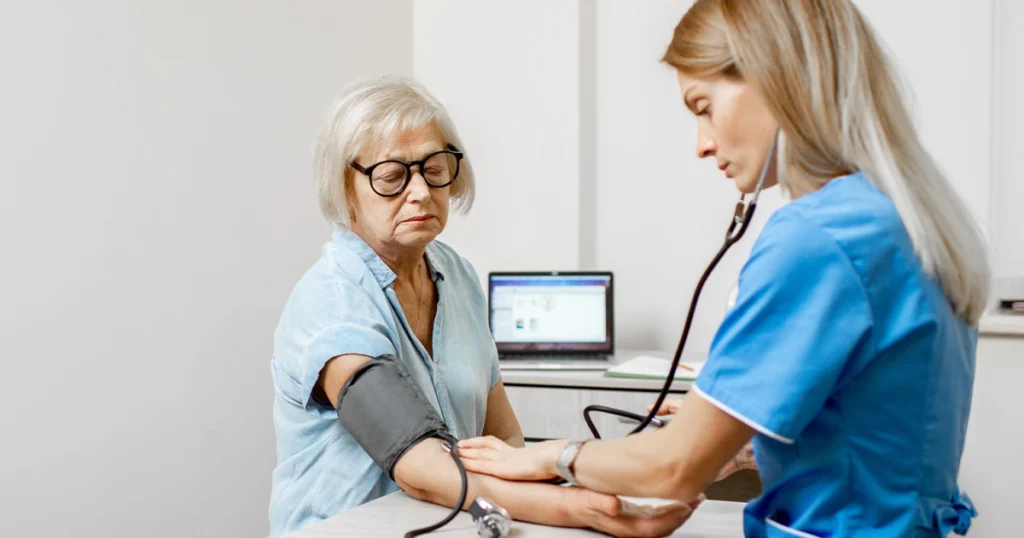
High blood pressure (hypertension) is one of the most common yet often overlooked health conditions, affecting nearly 1 in 3 adults worldwide. It happens when the force of blood against artery walls stays consistently high, making your heart work harder than it should. Many people don’t notice symptoms until complications arise; that’s why it’s often called the “silent killer.” Over time, uncontrolled blood pressure can lead to heart disease, stroke, and kidney problems.
At emergency room South Lamar, we frequently see patients coming in with sudden spikes in blood pressure, headaches, or dizziness. Our emergency care team provides rapid assessment, stabilization, and guidance on long-term management. Understanding your blood pressure levels and taking preventive action can make a major difference in maintaining your heart health and overall well-being.
What Is High Blood Pressure?
High blood pressure, also known as hypertension, occurs when the force of blood pushing against your artery walls remains too high for a long period. This constant pressure forces your heart to work harder to pump blood, which can gradually damage arteries and vital organs such as the heart, brain, and kidneys.
Normal blood pressure levels are usually around 120/80 mmHg, while readings consistently above 130/80 mmHg are considered high. Because it often develops slowly and shows no early symptoms, many people don’t realize they have it until a medical checkup or an emergency occurs. Regular monitoring and timely medical care are key to managing blood pressure and preventing serious complications.
What causes high blood pressure?
High blood pressure often develops from a combination of unhealthy lifestyle choices, medical conditions, and hereditary factors. While it may not always have a clear single cause, understanding these triggers can help you manage and prevent hypertension before it leads to serious complications.
1. Unhealthy Diet and High Salt Intake
Consuming too much sodium forces your body to hold onto extra water, putting additional pressure on the artery walls. Processed foods, chips, sauces, and canned soups are hidden sources of salt that easily exceed daily limits. Over time, this buildup can stiffen arteries and strain your heart. Cutting back on sodium and increasing potassium-rich foods like bananas and spinach helps maintain balance.
2. Lack of Physical Activity
When you don’t move enough, your heart becomes weaker, and blood doesn’t flow as efficiently. This reduced circulation causes your arteries to work harder, raising pressure inside them. Regular exercise, even brisk walking or light stretching, can boost blood flow, strengthen your heart muscle, and regulate pressure naturally.
Consistency, rather than intensity, is key to long-term improvement.
3. Obesity and Excess Body Weight
Extra body weight makes your heart pump harder to move blood throughout the body, increasing the pressure in your arteries. Fat around the abdomen especially contributes to insulin resistance, which can worsen hypertension. Even losing 5–10 pounds can noticeably reduce blood pressure levels and improve cholesterol balance, lowering your risk of heart disease.
4. Stress and Poor Sleep
When you’re under stress, your body releases cortisol and adrenaline hormones that constrict blood vessels and elevate heart rate. Over time, constant stress without proper rest can keep blood pressure high. Similarly, poor or irregular sleep affects your body’s natural rhythm and blood vessel repair processes. Practicing relaxation techniques or mindfulness can greatly help.
5. Smoking and Alcohol Consumption
Each cigarette causes a temporary rise in blood pressure due to nicotine’s effect on the arteries. Over time, this constant pressure damages the vessel walls, making them stiff and narrow. Alcohol, when consumed excessively, can interfere with medication and raise blood pressure levels. Limiting both can drastically improve vascular health and heart function.
6. Family History and Age
Genetics can influence how your body regulates blood pressure. If hypertension runs in your family, your chances of developing it increase, particularly after age 40. As arteries naturally stiffen with age, even minor lifestyle risks can have a bigger impact. Regular checkups and a balanced lifestyle can help offset genetic predisposition and protect your cardiovascular health.
7. Chronic Conditions and Medications
Certain medical issues like, diabetes, kidney disease, or hormonal disorders, can lead to secondary hypertension. Some medications, such as pain relievers or birth control pills, can also elevate blood pressure. If you’re managing other health conditions, it’s essential to monitor your pressure closely and discuss alternatives with your doctor to prevent long-term complications.
High blood pressure symptoms
High blood pressure is often called the “silent killer” because most people don’t experience noticeable symptoms until the condition becomes severe. Many live with hypertension for years without realizing it, which is why regular blood pressure checks are so important.
Common Symptoms Include:
- Headaches and dizziness: Persistent headaches, especially in the morning, can signal elevated pressure in the arteries.
- Blurred vision: High pressure may damage the blood vessels in your eyes, affecting sight over time.
- Shortness of breath: When the heart works harder to pump blood, you might feel winded even during mild activity.
- Chest pain or pounding heartbeat: These could indicate strain on the heart muscle due to constant pressure.
- Fatigue or confusion: Reduced blood flow to the brain can make you feel tired, weak, or mentally foggy.
Long-Term Complications:
If left untreated, high blood pressure can lead to serious conditions such as:
- Heart attack or stroke from narrowed or weakened arteries.
- Kidney damage due to increased strain on blood vessels in the kidneys.
- Heart failure occurs when the heart overworks to circulate blood.
- Vision loss caused by damage to the retina.
Early diagnosis and prompt treatment at specialized emergency care centers, such as the one in Austin Anderson Mill, can prevent life-threatening complications and provide rapid intervention when symptoms worsen.
Medication and Prevention of High Blood Pressure
Managing high blood pressure requires a mix of lifestyle changes, medical care, and regular monitoring. The goal is to bring your blood pressure within a healthy range and prevent long-term complications affecting your heart, kidneys, and brain.
Here’s how to control high blood pressure effectively:
1. Lifestyle Modifications
Making certain lifestyle changes can significantly lower high blood pressure and improve your overall heart health. These changes don’t require major sacrifices; small, consistent steps can lead to long-term benefits.
Eat a heart-healthy diet: Focus on fresh fruits, vegetables, whole grains, and lean proteins such as fish or chicken. Reduce your intake of sodium, added sugars, and processed foods, which are common triggers for hypertension. The DASH diet (Dietary Approaches to Stop Hypertension) is widely recognized for helping maintain healthy blood pressure levels. Additionally, including potassium-rich foods like bananas, avocados, and spinach helps balance sodium levels in the body.
Exercise regularly: Engaging in regular physical activity strengthens your heart, allowing it to pump blood more efficiently with less strain. Aim for at least 30 minutes of moderate exercise five days a week, such as brisk walking, cycling, or swimming. Even small bursts of activity like taking the stairs or stretching at work can positively impact your cardiovascular health and reduce stress.
Limit alcohol and caffeine: While moderate consumption may not harm most individuals, excessive alcohol and caffeine can raise blood pressure temporarily and cause dehydration. Try to limit alcohol to no more than one drink per day for women and two for men, and monitor how your body responds to caffeine. Switching to herbal teas or decaffeinated options can be a healthier choice.
Quit smoking: Smoking damages the lining of your blood vessels and speeds up the hardening of arteries, which can worsen hypertension. Quitting smoking not only lowers blood pressure but also reduces your risk of heart attack, stroke, and lung disease. Within weeks of quitting, your circulation and oxygen levels improve, benefiting your overall health and energy levels.
2. Medical Treatment for Hypertension
If lifestyle changes aren’t enough, doctors may prescribe antihypertensive medications like:
- Diuretics are used to remove excess sodium and water from the body.
- ACE inhibitors and ARBs relax blood vessels.
- Beta-blockers to reduce heart rate and blood pressure load.
Your treatment plan depends on your age, medical history, and overall risk factors, and it’s important to never stop medication without consulting your healthcare provider.
3. Emergency Care for Severe Hypertension
In some cases, blood pressure spikes can cause hypertensive emergencies, leading to chest pain, shortness of breath, or confusion. Immediate medical attention is critical in such situations. Facilities like Austin Anderson Mill Emergency Care provide rapid diagnosis and stabilization to prevent damage to vital organs.
4. Regular Monitoring and Follow-Ups
Consistent blood pressure checks help track your progress and detect early warning signs. Many people benefit from home monitoring devices and routine visits to their doctor or emergency care center.
By combining healthy habits, prescribed medication, and timely medical care, you can manage hypertension effectively and protect your long-term heart health.
Get Expert Hypertension Care
Managing high blood pressure isn’t just about numbers; it’s about taking control of your long-term health. Whether you’re experiencing sudden symptoms like severe headache, chest pain, or shortness of breath, timely medical attention can make all the difference. At Austin Emergency Center, our team provides fast, personalized care to assess your condition, stabilize your blood pressure, and prevent serious complications.
Austin emergency care offers advanced diagnostic technology and emergency support for patients experiencing high blood pressure or other heart-related conditions. If your blood pressure suddenly spikes or you notice warning symptoms like dizziness, chest pain, or shortness of breath, don’t wait to visit Austin Emergency Care for expert evaluation, compassionate treatment, and fast relief when every second counts.